
What That Noise Probably Means
Brakes are good at telling you when they need attention. Here's a rough guide to the most common sounds and feelings, and what usually causes them.
What We Can Replace or Fix
- Brake pads, front and rear, matched to how you use the car
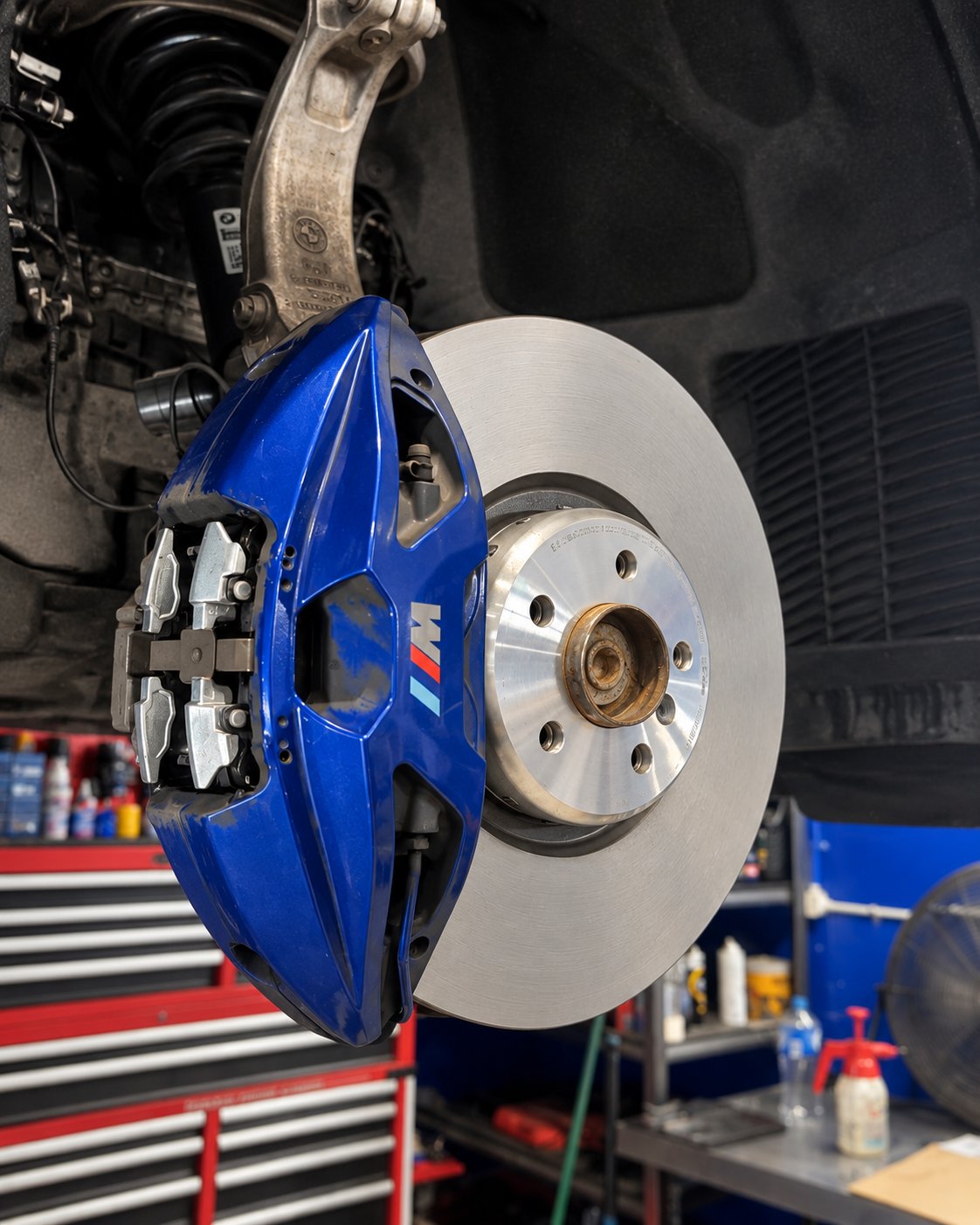
- Rotors replaced or, where there's enough material, machined
- Calipers serviced, slide pins cleaned and greased, or units replaced
- Brake hoses and lines renewed if cracked, swollen or corroded
- Brake fluid flush to restore a firm pedal
- Drums, shoes and handbrake adjusted or replaced on older and rear-drum vehicles
- ABS warning lights diagnosed, often a wheel speed sensor

Choosing the Right Fix
Pads only
When rotors are smooth and comfortably above minimum thickness. The quickest and cheapest result.
Pads and rotors
When rotors are thin, lipped, scored or causing vibration. Fresh surfaces bed in best together.
Full corner rebuild
When a caliper sticks or leaks. Fixing just the pads would see them worn out again quickly.
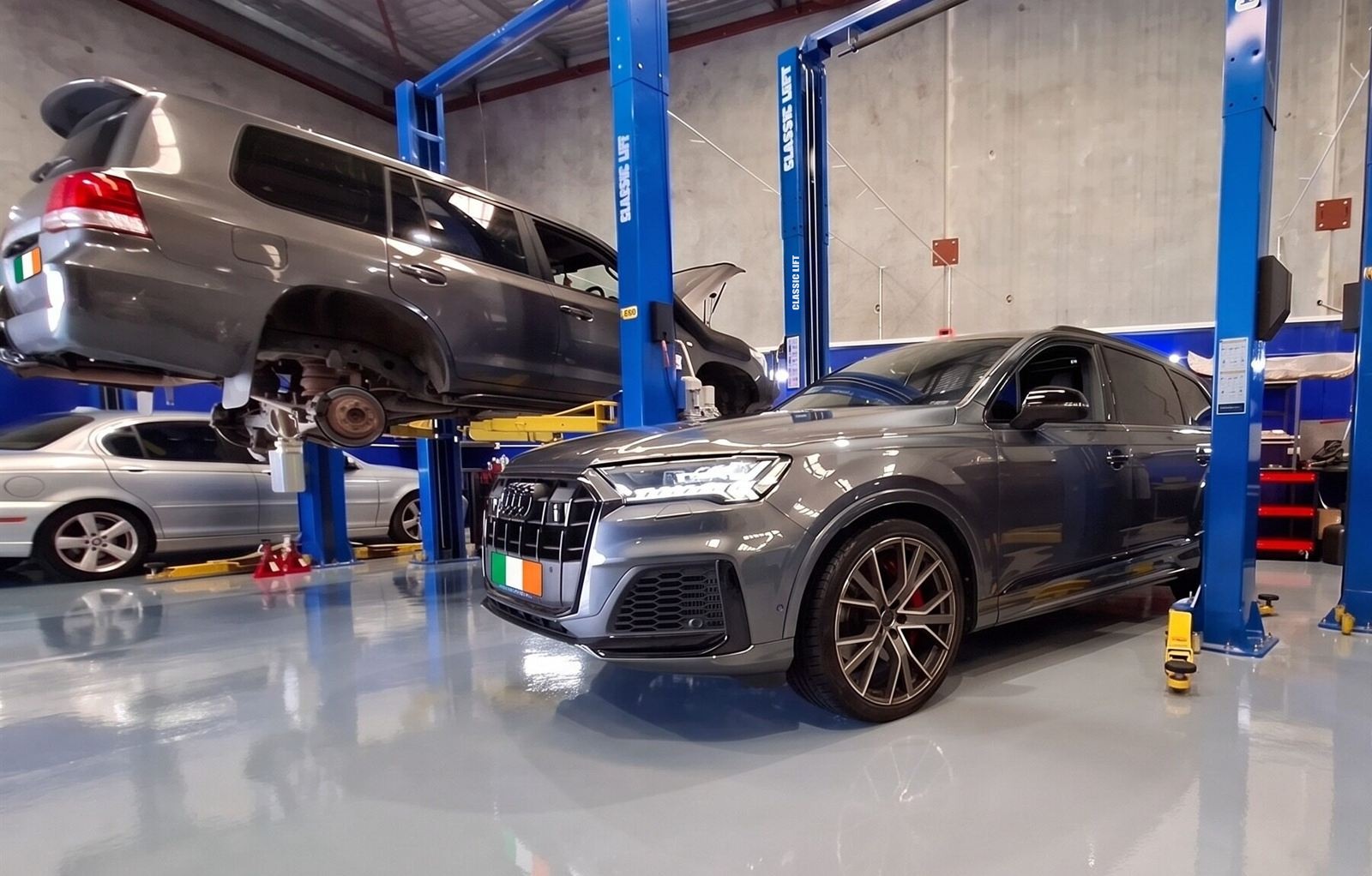
Heavier 4WDs, utes that tow and European performance cars can be tough on brakes. We'll talk through pad options that suit how you drive, whether that's daily commuting along Alexander Drive or dragging a camper to Exmouth.
Captiva Pads and Discs, Sorted
Brake pad replacement is one of the jobs our customers mention most in reviews, often done alongside a service so it's one trip instead of two.
Not sure how worn yours are? Start with a brake inspection and we'll measure everything first.

Rotors, Pads and Calipers


Safe Stopping, Fair Prices
“They got the car in for a major service at a short notice and replaced the rear tyres and brake pads and had the car back within a couple of hours.”
“finding a workshop that's genuinely honest is refreshing. They were easy to deal with, straight to the point, communicated everything clearly, and charged a fair, honest price with no hidden surprises.”
“they did a thorough check on my car, also took time to explain everything, very professional, trustworthy and with fair prices!”
Brake Repair FAQ
Is it safe to drive with squeaky brakes?
A light squeal is often the wear indicator giving early notice, so you've usually got a little time, but book in soon. Grinding is different. That's a stop-driving sign.
Why do new brakes need bedding in?
Fresh pads and rotors need a few moderate stops to transfer an even layer of pad material onto the rotor. We'll give you simple instructions for the first drive.
Do you replace brakes on 4WDs and utes?
Yes. Heavy vehicles and those that tow often need tougher pads, and we'll recommend options to suit the load.
My ABS light is on. Are my brakes still working?
Normal braking usually still works, but the anti-lock function may be disabled. Get it diagnosed promptly, particularly before driving in the wet.
Can I just replace the front pads?
Yes, if the rears are still in good shape. Front and rear brakes wear at different rates, so they're often replaced at different times.


