Have Questions About Our Services?
Please fill in your details, and we will reach out.

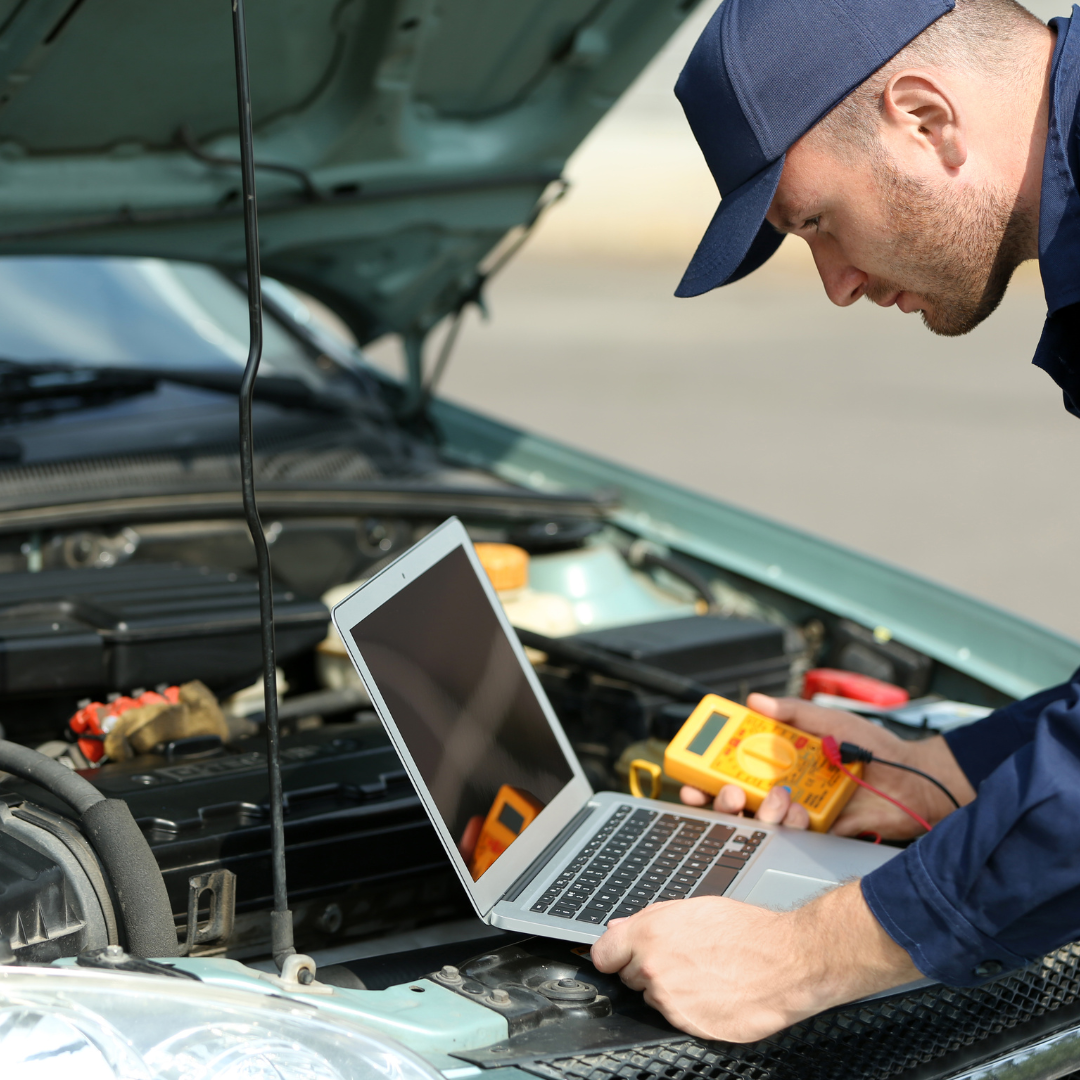
Purchasing a used car can be a smart and economical decision, but it comes with risks. Hidden problems and unforeseen expenses can turn what seems like a great deal into a financial burden. This is where pre-purchase inspections come in. These inspections thoroughly evaluate the vehicle’s condition, helping buyers make informed decisions. Here’s why pre-purchase inspections are essential when buying a used car.
A pre-purchase inspection reveals issues that might not be apparent during a casual look-over or test drive. Certified mechanics can identify underlying problems such as engine troubles, transmission issues, or structural damage. This insight allows buyers to make informed decisions and avoid potential money pits. Without a thorough inspection, buyers might miss critical defects that could lead to expensive repairs. Understanding the true condition of a vehicle ensures you are not caught off guard by hidden problems.
Consistent servicing also allows mechanics to detect and address minor issues before they become major problems. This proactive approach ensures that your engine operates efficiently, providing better fuel economy and performance. A well-maintained engine is less likely to experience breakdowns, contributing to the overall longevity of your vehicle.
Safety should be a top priority when purchasing a used car. Pre-purchase inspections include checks on essential safety components like brakes, tyres, and airbags. Ensuring these parts are in good condition helps prevent accidents and ensures the vehicle meets safety standards. A neglected safety issue can lead to serious consequences on the road. By verifying the condition of safety features, you can drive with confidence knowing your car is secure and capable of protecting you in case of an emergency.
Regular maintenance also includes checking tyre pressure and alignment, which can affect fuel consumption. Properly inflated and aligned tyres reduce rolling resistance, helping your car to use fuel more efficiently. These small adjustments during servicing can lead to significant savings on fuel costs over time.
Knowing the exact condition of a car gives you leverage when negotiating the price. If the inspection reveals issues, you can use this information to negotiate a lower price or request repairs before purchase. This can save you money and ensure you are getting a fair deal. Buyers armed with detailed inspection reports are in a stronger position to negotiate. This transparency leads to more balanced and fair transactions, giving you peace of mind and potentially saving you a significant amount of money.
Consistent servicing also allows mechanics to detect and address minor issues before they become major problems. This proactive approach ensures that your engine operates efficiently, providing better fuel economy and performance. A well-maintained engine is less likely to experience breakdowns, contributing to the overall longevity of your vehicle.
A thorough inspection can highlight potential future repairs, helping you anticipate costs. Understanding what might need attention in the near future allows you to budget accordingly and avoid unexpected expenses. This foresight can save you from financial surprises after purchase. Identifying issues early on gives you the opportunity to address them before they escalate. This preventative approach is cost-effective and reduces stress, ensuring your car remains reliable and safe over time.
Regular maintenance also includes checking tyre pressure and alignment, which can affect fuel consumption. Properly inflated and aligned tyres reduce rolling resistance, helping your car to use fuel more efficiently. These small adjustments during servicing can lead to significant savings on fuel costs over time.
An inspection helps verify that the car is worth its asking price. By assessing the vehicle’s condition, you can ensure that the price reflects its true value. This prevents overpaying for a car that might have hidden defects or be overpriced. Knowing the fair market value of a car based on its condition ensures you are making a sound investment. This validation is essential for financial peace of mind and helps you avoid buyer’s remorse.
Regular maintenance also includes checking tyre pressure and alignment, which can affect fuel consumption. Properly inflated and aligned tyres reduce rolling resistance, helping your car to use fuel more efficiently. These small adjustments during servicing can lead to significant savings on fuel costs over time.
Pre-purchase inspections often reveal the vehicle’s maintenance history, indicating how well it has been cared for. Regular maintenance records suggest a well-maintained vehicle, while gaps can signal neglect. This information is crucial for understanding the car’s reliability. A consistent maintenance history suggests that the previous owner was diligent. This care can translate into a more reliable and longer-lasting vehicle, giving you confidence in your purchase.
Regular maintenance also includes checking tyre pressure and alignment, which can affect fuel consumption. Properly inflated and aligned tyres reduce rolling resistance, helping your car to use fuel more efficiently. These small adjustments during servicing can lead to significant savings on fuel costs over time.
An inspection can reveal if a car has been in accidents or has structural damage. These issues can affect the car’s safety and longevity. Structural problems can be costly to repair and might impact the car’s performance. Structural integrity is vital for the safety and functionality of a vehicle. Identifying these issues before purchase helps avoid significant future problems, ensuring you buy a car that is safe and reliable.
Regular maintenance also includes checking tyre pressure and alignment, which can affect fuel consumption. Properly inflated and aligned tyres reduce rolling resistance, helping your car to use fuel more efficiently. These small adjustments during servicing can lead to significant savings on fuel costs over time.
Some cars might come with remaining manufacturer warranties that require specific maintenance. An inspection can verify that the vehicle has adhered to these requirements, ensuring that the warranty remains valid. This protects you from potential repair costs that the warranty would otherwise cover. Maintaining warranty validity ensures that you are covered for any significant repairs. This protection is valuable for long-term ownership, providing financial security and peace of mind.
Regular maintenance also includes checking tyre pressure and alignment, which can affect fuel consumption. Properly inflated and aligned tyres reduce rolling resistance, helping your car to use fuel more efficiently. These small adjustments during servicing can lead to significant savings on fuel costs over time.
Pre-purchase inspections include emissions testing to ensure the car complies with local regulations. Non-compliance can result in fines and the need for expensive repairs. Ensuring the vehicle meets emissions standards is essential for legal and environmental reasons. Emissions compliance is not only a legal requirement but also a responsibility. Ensuring compliance protects you from legal issues and contributes to environmental conservation, promoting a cleaner environment.
Regular maintenance also includes checking tyre pressure and alignment, which can affect fuel consumption. Properly inflated and aligned tyres reduce rolling resistance, helping your car to use fuel more efficiently. These small adjustments during servicing can lead to significant savings on fuel costs over time.
An inspection can help verify that the car’s odometer accurately reflects its true mileage. Tampering with mileage is a common practice to increase a car’s value. Accurate mileage is crucial for assessing the car’s wear and tear. Accurate mileage information helps evaluate the vehicle’s actual usage and condition. This transparency is essential for making an informed purchase and avoiding potential issues related to odometer fraud.
Regular maintenance also includes checking tyre pressure and alignment, which can affect fuel consumption. Properly inflated and aligned tyres reduce rolling resistance, helping your car to use fuel more efficiently. These small adjustments during servicing can lead to significant savings on fuel costs over time.
Conclusion
Pre-purchase inspections are an essential step in buying a used car. They provide valuable insights into the vehicle’s condition, ensuring safety, value, and reliability. By investing in a professional inspection, you can make a well-informed decision and confidently enjoy your new purchase. Avoiding hidden problems and unexpected costs is a wise choice for any car buyer, making the process of buying a used car more secure and satisfactory.