Have Questions About Our Services?
Please fill in your details, and we will reach out.

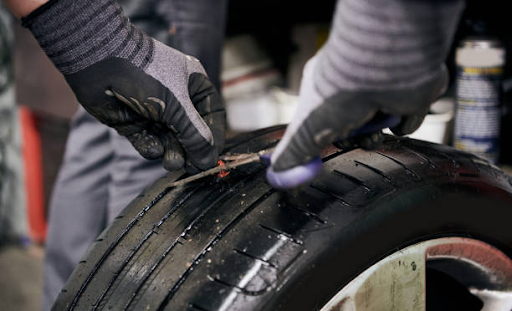
A puncture in your vehicle’s tyre is more than just a minor inconvenience. Left unattended, even a small puncture can lead to severe consequences, including blowouts or loss of control on the road. The structure of the tyre may weaken over time, especially if the puncture is in a critical area. Ignoring these issues can jeopardise your safety, putting you and others at risk.
Moreover, driving on a punctured tyre can cause further damage to the wheel itself, leading to more costly repairs. It’s crucial to recognise that puncture repairs are not just about fixing the tyre but also about maintaining the integrity of your vehicle’s overall performance.
Detecting a puncture early can save you from more significant problems down the road. Common signs include a sudden drop in tyre pressure, which can be noticed if your vehicle’s tyre pressure monitoring system is triggered. Additionally, if you hear a hissing sound while driving or notice a slight wobble or vibration, these could be indicators of a puncture.
It’s important to inspect your tyres regularly for any visible damage, such as nails or shards of glass embedded in the rubber. Being proactive with puncture repairs can prevent unexpected breakdowns and ensure your vehicle remains roadworthy.
Addressing punctures as soon as they occur can save you money in the long run. By repairing the tyre rather than replacing it, you avoid the cost of a new tyre, which can be significantly higher. Puncture repairs are generally a quick and cost-effective solution that extends the lifespan of your tyre, allowing you to get the most out of your investment.
Moreover, keeping your tyres in good condition helps maintain optimal fuel efficiency. A punctured tyre can cause uneven wear, leading to increased fuel consumption. By opting for timely puncture repairs, you can keep your vehicle running smoothly and efficiently.
Repairing a puncture instead of replacing the entire tyre is also an environmentally friendly option. Tyres take a long time to decompose, contributing to landfill waste. By choosing to repair your tyres, you are reducing the demand for new tyres and helping to minimise your carbon footprint.
Additionally, the production of new tyres requires significant energy and raw materials, including rubber, steel, and chemicals. By opting for puncture repairs, you contribute to reducing the environmental impact associated with tyre manufacturing and disposal.
While some minor punctures can be temporarily fixed with DIY kits, it’s crucial to seek professional puncture repairs for a permanent solution. Professional technicians have the expertise and equipment to assess the extent of the damage and determine whether the tyre can be safely repaired. They can ensure that the repair is done correctly, preserving the tyre’s integrity.
Professional repairs also come with the added benefit of safety checks. During the repair process, technicians can inspect the tyre for any other hidden damage that may not be immediately apparent. This comprehensive approach ensures that your vehicle remains safe and roadworthy after the puncture repairs are completed.
Understanding the common causes of tyre punctures can help you take preventative measures to avoid them. Sharp objects like nails, screws, or glass fragments are the most common culprits, often picked up on poorly maintained roads. Potholes and kerbs can also cause punctures, especially if the tyre’s sidewall is impacted.
Additionally, underinflated tyres are more susceptible to punctures, as they have more contact with the road surface and are less able to absorb shocks. Regularly checking your tyre pressure and avoiding hazardous road conditions can help reduce the risk of punctures.
Regular tyre maintenance is key to preventing punctures. This includes checking the tyre pressure regularly, rotating the tyres to ensure even wear, and inspecting the tyres for any signs of damage or wear. Keeping your tyres in good condition reduces the likelihood of punctures and ensures that your vehicle handles well on the road.
Proper tyre alignment is also crucial in preventing punctures. Misaligned tyres can cause uneven wear, increasing the risk of punctures. By maintaining your tyres and ensuring they are correctly aligned, you can extend their lifespan and reduce the chances of encountering a puncture.
Weather conditions can significantly impact your tyres and their susceptibility to punctures. Hot weather can cause the air inside your tyres to expand, leading to overinflation and increased pressure on the tyre walls. Conversely, cold weather can cause the air to contract, leading to underinflation and increased wear.
Both overinflated and underinflated tyres are more prone to punctures. It’s essential to monitor your tyre pressure regularly, especially during extreme weather conditions, to ensure your tyres are in optimal condition.
Experiencing a puncture while driving can be alarming, but knowing the correct steps to take can ensure your safety. First, avoid slamming on the brakes, as this can cause the vehicle to lose control. Instead, gradually slow down and steer the vehicle to a safe location away from traffic.
Once you’ve stopped, it’s essential to assess the damage. If you have a spare tyre and the necessary tools, you can replace the punctured tyre yourself. However, for a more permanent solution, it’s advisable to contact a professional service for puncture repairs.
Regular tyre inspections are crucial in identifying potential problems before they lead to punctures. By inspecting your tyres for signs of wear, embedded objects, or other damage, you can address issues early and avoid more significant problems on the road.
Incorporating tyre inspections into your regular vehicle maintenance routine can help you catch potential punctures before they occur, saving you time, money, and stress. With proper care, your tyres will provide a safer, smoother ride.