Have Questions About Our Services?
Please fill in your details, and we will reach out.

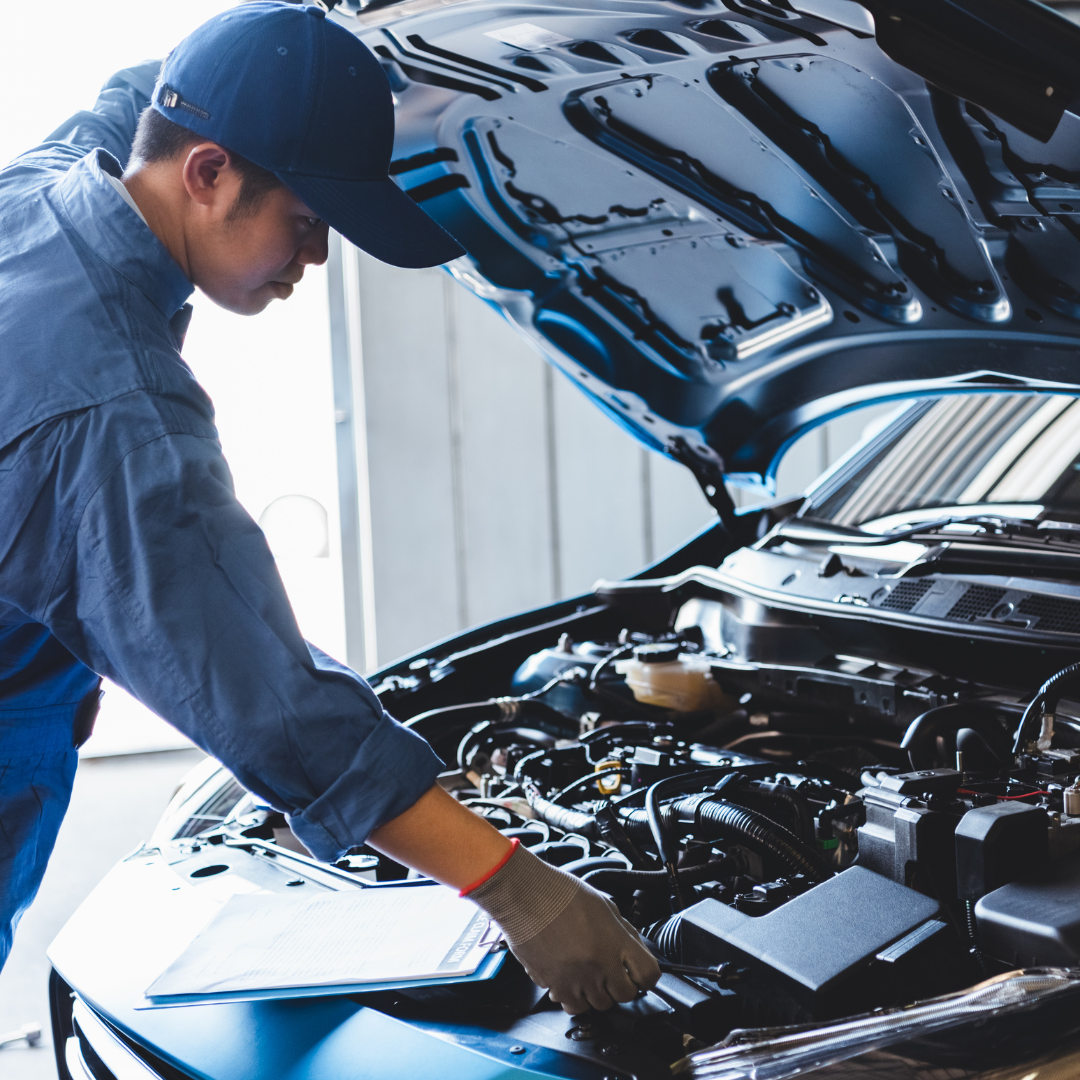
Understanding what to expect during a routine car service can help you stay informed about your vehicle’s maintenance needs. Regular servicing is crucial for keeping your car in optimal condition, enhancing its performance, and ensuring safety. This guide provides a step-by-step breakdown of what typically happens during a routine car servicing.
The service begins with an initial inspection of your vehicle. The mechanic will check the exterior for any visible damage or wear, such as dents, scratches, or rust. They will also inspect the tyres for tread depth, pressure, and overall condition. This visual assessment helps identify any immediate issues that need attention.
The initial inspection sets the stage for a thorough evaluation of your vehicle. By addressing visible issues early, mechanics can prevent minor problems from becoming major concerns. This step ensures that all aspects of your vehicle’s condition are considered during the service.
One of the most critical aspects of a routine service is checking and replacing essential fluids. This includes engine oil, coolant, brake fluid, transmission fluid, and power steering fluid. The mechanic will ensure that all fluids are at the correct levels and replace them if necessary. Fresh fluids help maintain the performance and longevity of your vehicle’s components.
Regular fluid checks and replacements are vital for preventing engine wear and ensuring smooth operation. Old or low fluids can lead to overheating, poor braking performance, and other serious issues. Keeping fluids at optimal levels ensures your vehicle runs efficiently and reduces the risk of breakdowns.
The braking system is thoroughly inspected during a routine service. The mechanic will check the brake pads, rotors, and fluid levels. If the brake pads are worn or the rotors are damaged, they will be replaced. Ensuring the brakes are in good condition is crucial for your safety and the safety of others on the road.
A detailed brake inspection can identify issues such as uneven wear or fluid leaks, which can compromise braking performance. Addressing these problems promptly ensures that your vehicle can stop effectively, reducing the risk of accidents. Regular brake maintenance is essential for safe driving.
Tyre rotation and alignment are standard procedures during a routine service. Rotating the tyres ensures even wear, extending their lifespan. The mechanic will also check and adjust the alignment to ensure the wheels are properly aligned. Proper alignment improves handling and prevents uneven tyre wear.
Regular tyre rotation and alignment help maintain optimal traction and handling, enhancing your driving experience. Uneven tyre wear can lead to decreased fuel efficiency and poor performance. By ensuring your tyres are in good condition, you improve safety and save money on replacements.
The car battery is tested to ensure it is holding a charge and functioning correctly. The mechanic will check the battery terminals for corrosion and clean them if necessary. If the battery is weak or showing signs of failure, it may be replaced to prevent unexpected breakdowns.
A reliable battery is essential for starting your vehicle and powering electrical systems. Regular battery checks help prevent inconvenient failures, especially during extreme weather conditions. Ensuring your battery is in good condition provides peace of mind and ensures reliable vehicle operation.
During a routine service, various filters are inspected and replaced if needed. This includes the air filter, cabin filter, and fuel filter. Clean filters are essential for maintaining air quality inside the vehicle and ensuring the engine receives clean air and fuel.
Replacing dirty filters improves engine performance and cabin air quality. A clogged air filter can reduce fuel efficiency and increase emissions, while a dirty cabin filter can affect air quality and comfort. Regular filter replacements ensure your vehicle operates efficiently and provides a pleasant driving environment.
The mechanic will inspect all belts and hoses for signs of wear, cracks, or leaks. This includes the serpentine belt, timing belt, and coolant hoses. If any belts or hoses are damaged, they will be replaced to prevent failures that could lead to more significant problems.
Belts and hoses are crucial for the operation of various systems in your vehicle. A worn or broken belt can cause engine damage, while a leaking hose can lead to overheating. Regular inspections and timely replacements of these components ensure your vehicle runs smoothly and reliably.
Spark plugs are checked and replaced if necessary during a routine service. Spark plugs are vital for engine performance, as they ignite the air-fuel mixture in the engine. Worn or faulty spark plugs can lead to misfires, poor fuel economy, and reduced performance.
Regular spark plug replacements ensure that your engine runs efficiently and smoothly. Ignoring spark plug maintenance can result in decreased power and increased emissions. By keeping spark plugs in good condition, you maintain optimal engine performance and fuel efficiency.
The exhaust system is inspected for leaks, damage, or excessive rust. The mechanic will check the muffler, catalytic converter, and exhaust pipes. Ensuring the exhaust system is in good condition is essential for reducing emissions and maintaining engine performance.
A well-maintained exhaust system helps your vehicle run quietly and efficiently. Leaks or damage can lead to increased emissions and decreased performance. Regular inspections and maintenance of the exhaust system contribute to a cleaner environment and better vehicle performance.
All lights, including headlights, brake lights, and turn signals, are checked to ensure they are functioning correctly. The electrical system, including the alternator and starter, is also inspected. Ensuring all electrical components are in good working order is crucial for safety and vehicle operation.
Properly functioning lights are essential for visibility and safety on the road. Electrical system checks help prevent unexpected failures that can leave you stranded. Regular maintenance of lighting and electrical systems ensures your vehicle remains reliable and safe.
Modern vehicles are equipped with computer systems that monitor various components. The mechanic will use diagnostic tools to check for error codes or issues. This helps identify problems that might not be visible during a visual inspection.
Computer diagnostics provide a comprehensive overview of your vehicle’s health. They can detect issues with the engine, transmission, and other systems, allowing for timely repairs. Utilizing diagnostic tools ensures that all potential problems are identified and addressed during the service.
After completing all inspections and maintenance tasks, the mechanic will take your vehicle for a road test. This ensures that everything is functioning correctly and that any issues have been resolved. The road test helps verify the vehicle’s performance and safety.
The final road test is a crucial step in ensuring your vehicle is ready for the road. It provides a practical assessment of the vehicle’s handling, braking, and overall performance. By conducting a thorough road test, the mechanic ensures that your car is in optimal condition before returning it to you.
Understanding what to expect during a routine car servicing can help you stay informed about your vehicle’s maintenance needs. Regular servicing includes a comprehensive range of checks and replacements that ensure your car remains in optimal condition. By staying proactive and adhering to a regular maintenance schedule, you can enhance your vehicle’s performance, safety, and longevity. This proactive approach not only protects your investment but also ensures a better driving experience and peace of mind.